

.jpg)
What 2026 Confirmed About Branded Merchandise — and Where 2027 Is Already Pointing
You're not buying branded merchandise to follow industry trends. You're buying it to onboard new hires, recognize your team, and make a strong impression on clients.
But a few things are shifting in the industry right now, and some of them will affect your program whether you're tracking them or not. What products are worth ordering, how far ahead you need to plan, what "sustainable sourcing" actually means when it shows up on a spec sheet, and how to tell whether your partner is keeping pace with the changes or not.
Here's what 2026 has confirmed — and where 2027 is already pointing.
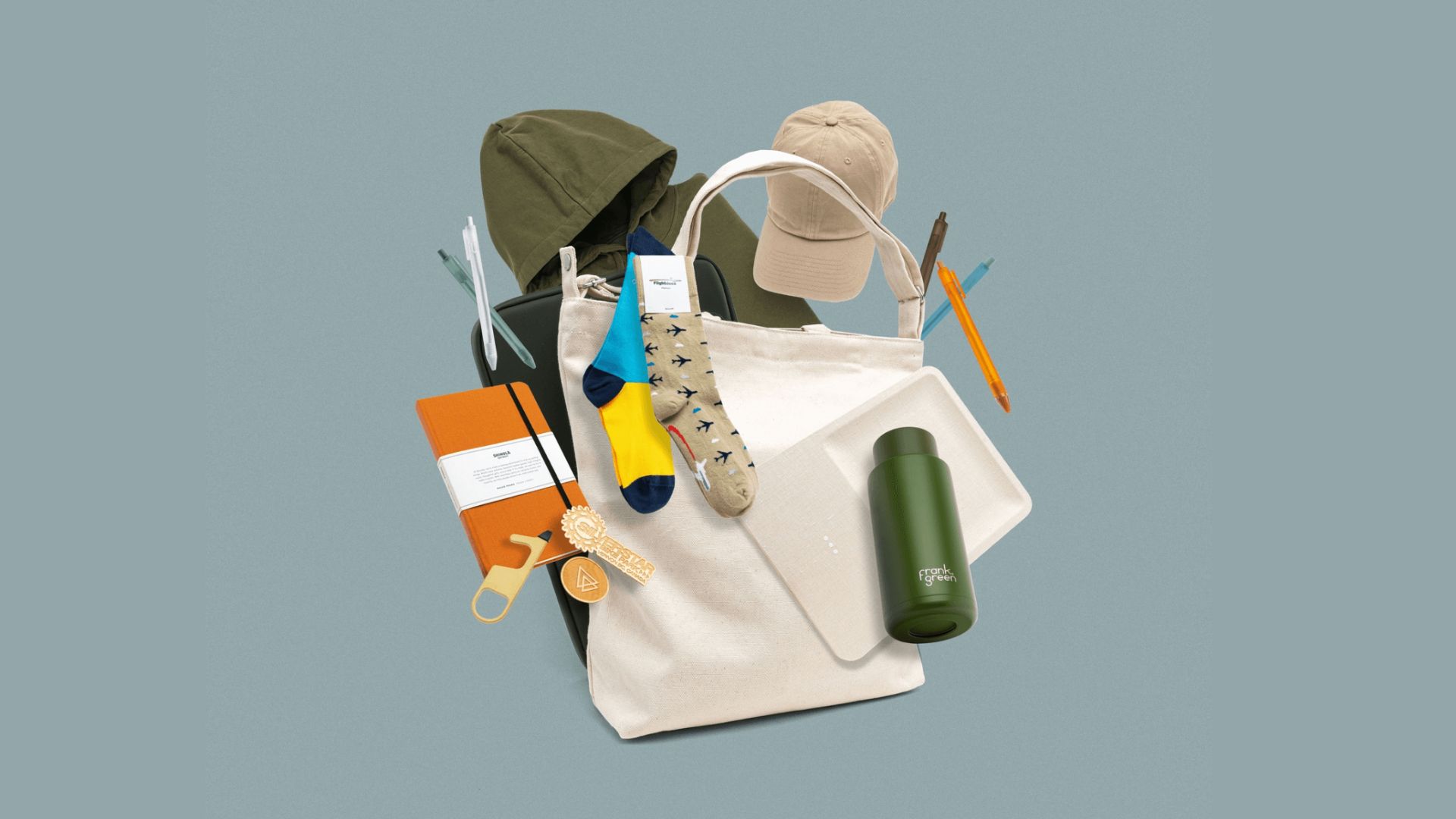
What 2026 Has Confirmed
Fewer, better products outperform more, cheaper ones. The data is pretty clear on this.
This isn't a new idea, but 2026 research has put specific numbers on it. When budgets tighten, 60% of buyers cut quantity first. Only 11% cut customization. And according to PPAI's mid-year research, 78.7% of distributors report rising demand for better-designed, retail-quality products — not more items, just better ones.
The consumer data backs the instinct. A well-made tumbler someone carries for two years generates more brand impressions than a hundred forgettable giveaways. The ASI's 2026 Global Ad Impressions Study found that a single quality fleece generates 9,000 brand impressions over its lifetime. A generic pen: 1,900, at a fraction of a cent per impression. The math favors quality. Most program budgets don't reflect that yet.
The rule we use internally: would the recipient buy this for themselves? If yes, it earns its place. If it only makes sense as a freebie, it probably isn't doing the work you're hoping for.
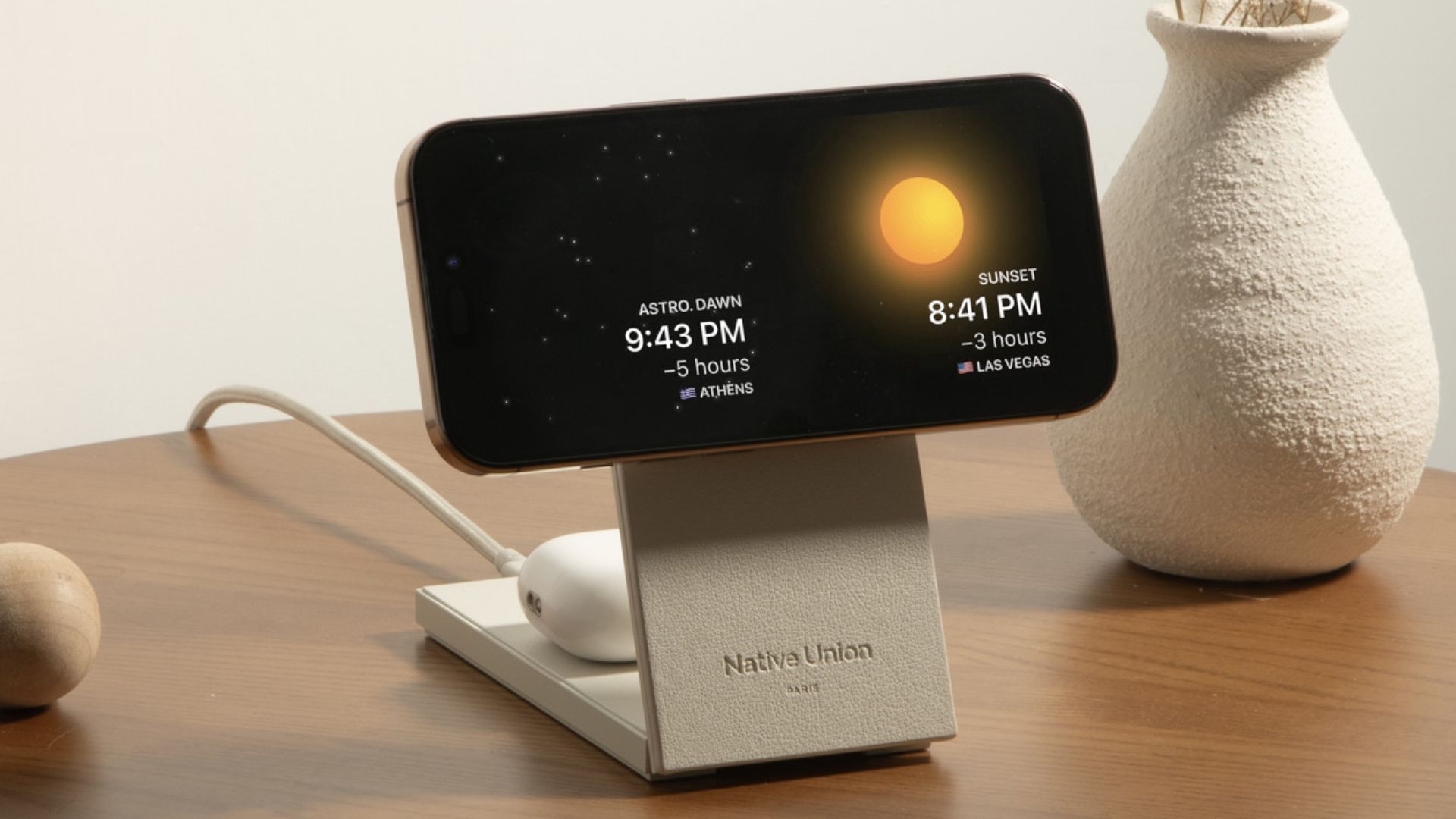
Your partner's sourcing network matters more than it used to.
Tariffs and freight volatility have made the supply chain behind your branded merchandise more complicated than most buyers realize. Pricing has shifted, lead times have become less predictable, and the vendors without deep, established relationships have felt that instability most.
The vendors who have handled this best weren't the ones scrambling to build new supplier relationships in 2025. They were the ones who had already spent decades building the right ones — globally.
Lahlouh has been in business for 45 years and in the promo space specifically for 30 of them, with a presence that spans the U.S. and an established network of international partners, including in-market connections that most domestic-only vendors simply don't have. That means when one part of the supply chain gets complicated, we have trusted alternatives already in place. When a timeline compresses, we have the relationships to move quickly without dropping quality or compliance standards.
For your program, that translates to one thing: when something changes — and in the current environment, something usually does — there's one person managing all of it on your behalf, with the network and the history to actually solve the problem.
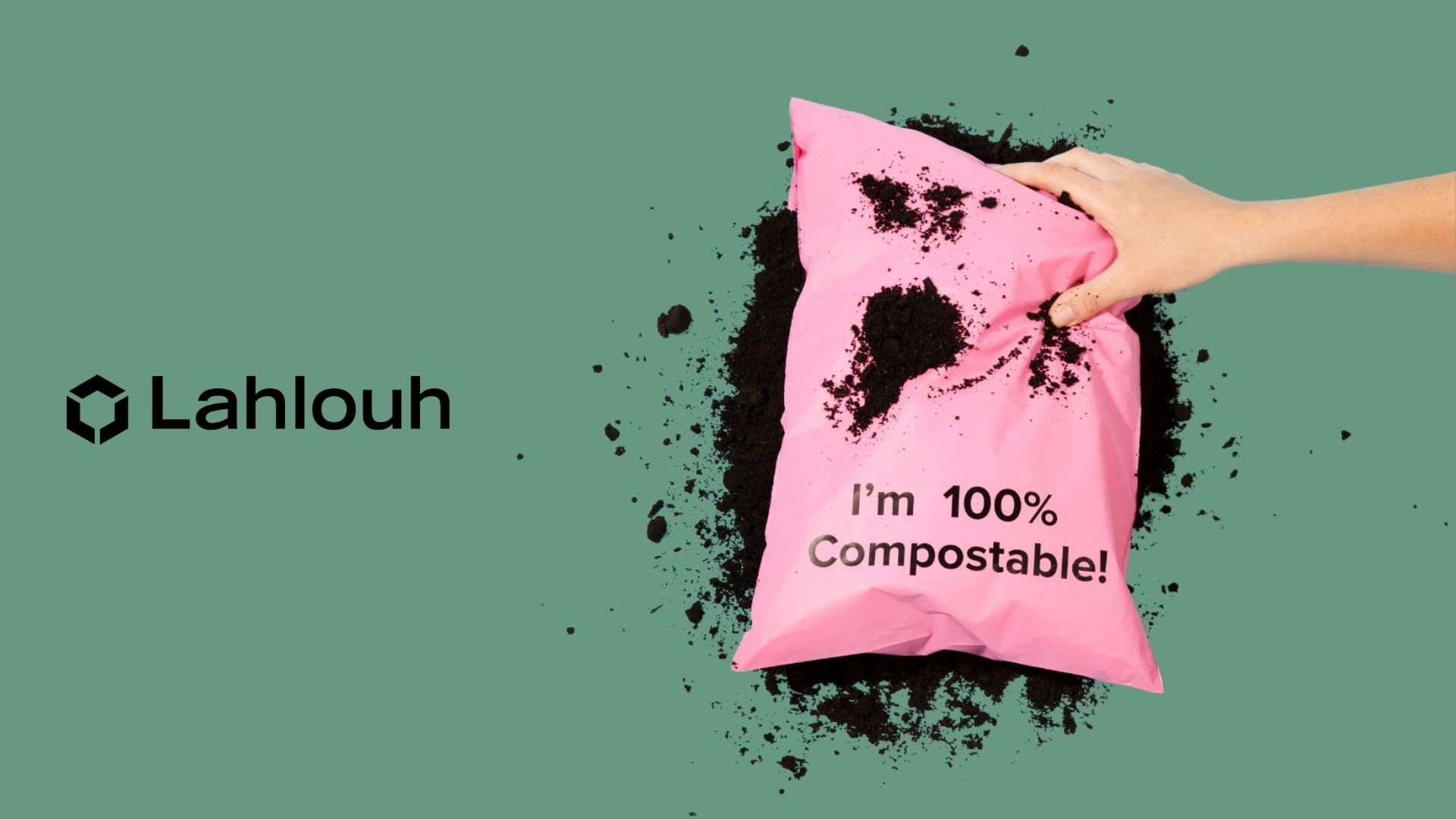
The sustainability question is getting more specific.
"Eco-friendly" used to be a checkbox. In 2026, buyers in healthcare, pharma, government, and increasingly corporate procurement are asking for something more concrete: PFAS testing results, materials certifications, supply chain provenance, ESG documentation. Sustainable products now represent nearly 14% of total U.S. industry sales — up 20% year over year — and the requests driving that growth are more specific than they used to be.
At Lahlouh, this isn't a new conversation. 71% of our promo spend is with suppliers who carry an existing EcoVadis rating — a third-party sustainability management assessment — or are actively working toward one. 90% of our promo spend is with suppliers who participate in a giveback program, including Feeding America, One Tree Planted, and 1% for the Planet. On the production side, our Packsize machine can right-size every box to the order, resulting in 60% less void fill and a 26% reduction in corrugated material.
We publish a full CSR report annually. If your procurement process requires ESG documentation, you can read ours here.
Where 2027 Is Already Pointing
Personalization is going to mean something more specific.
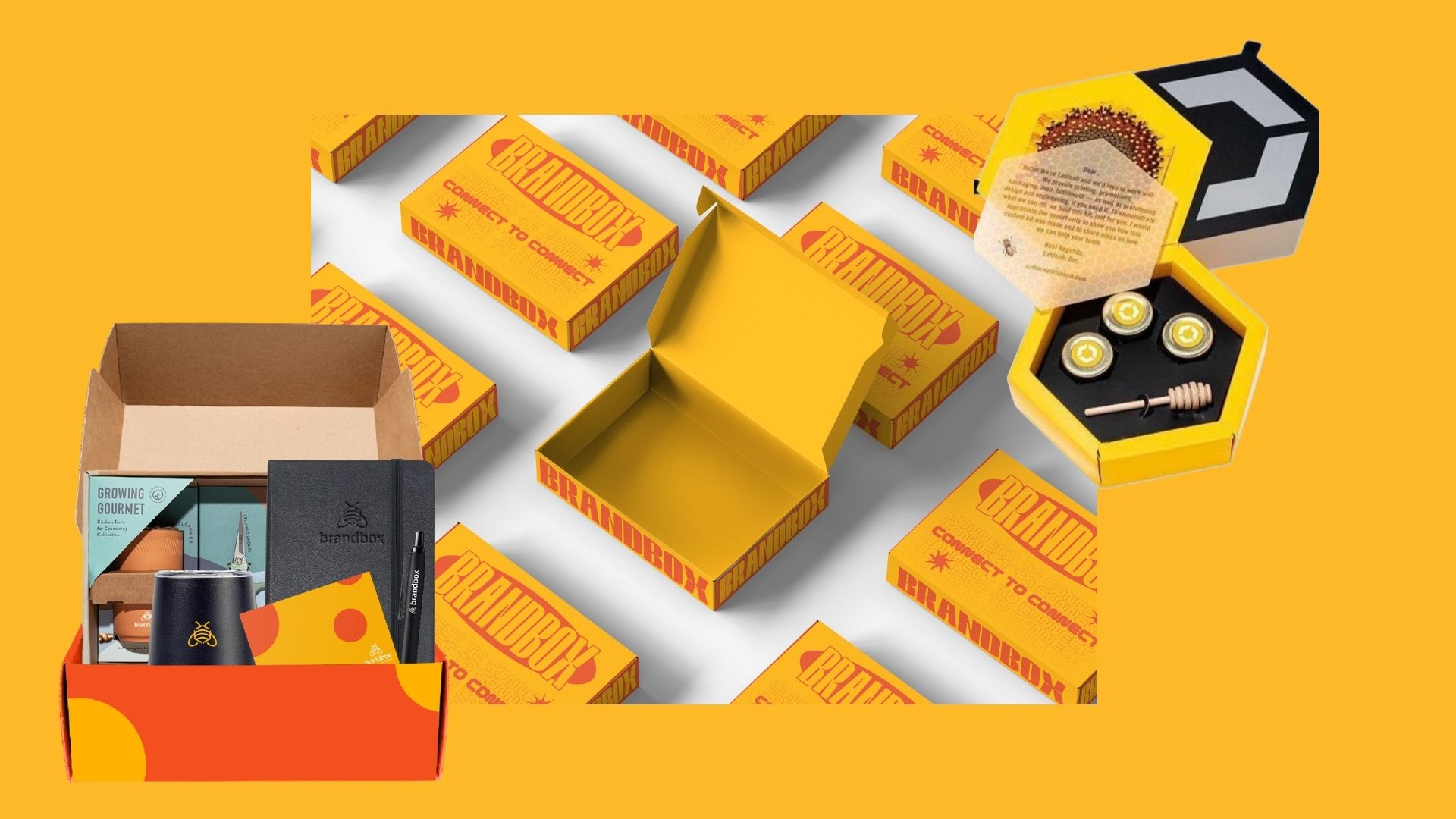
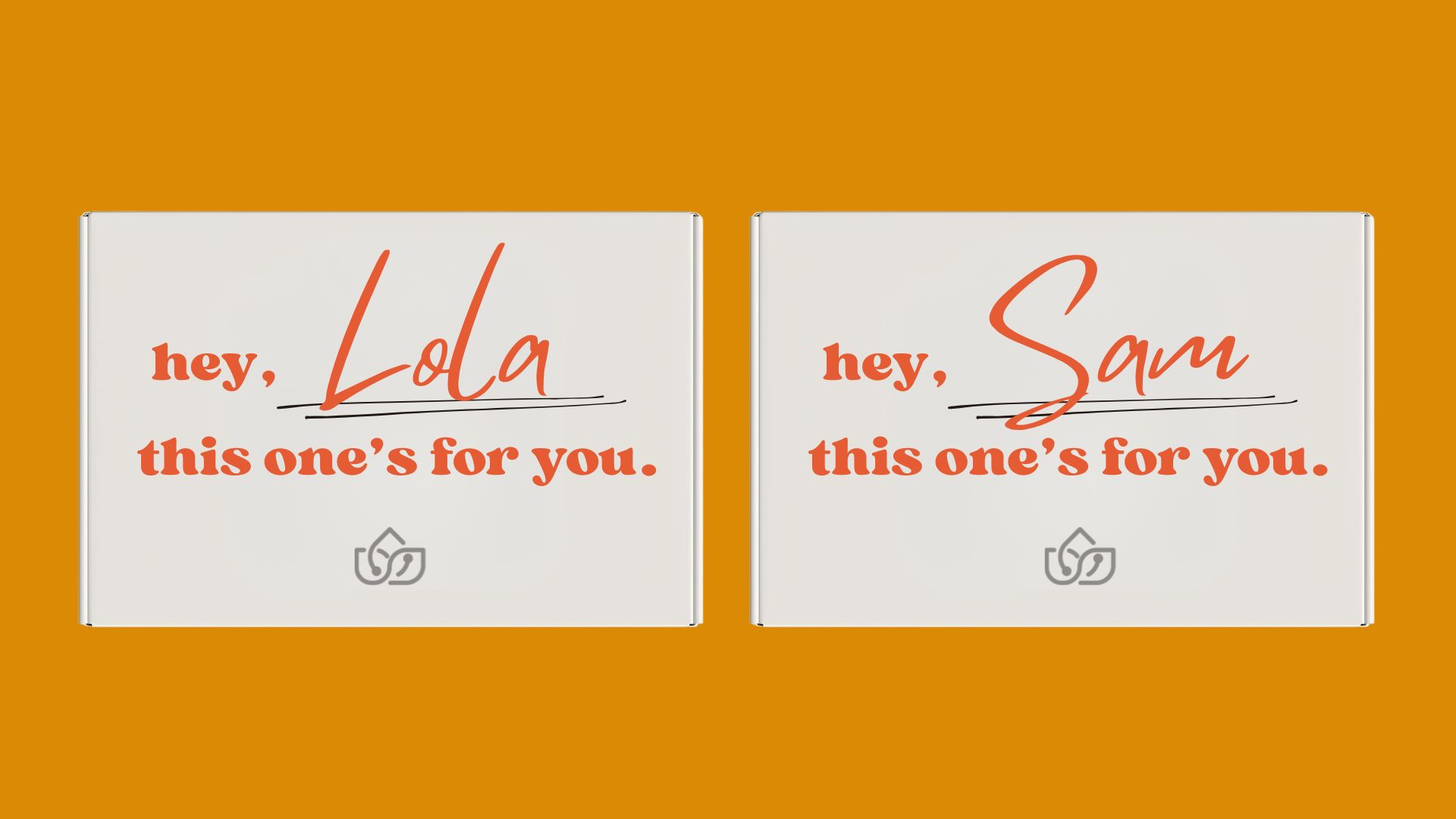
Personalization in branded merchandise has mostly meant a name, a monogram, or a custom colorway. What's coming is different: programs where the product selection reflects the recipient's role, interests, or history with your brand — not just their initials on a tumbler.
Research projects that by 2028, 65% of companies will use AI-driven product recommendations for gifting and merchandise programs. The early adopters are already building this way — designing programs around recipient segments rather than sending everyone the same box. The programs that do this well see measurably better retention, recall, and engagement than the ones that don't.
Physical products are gaining a digital layer.
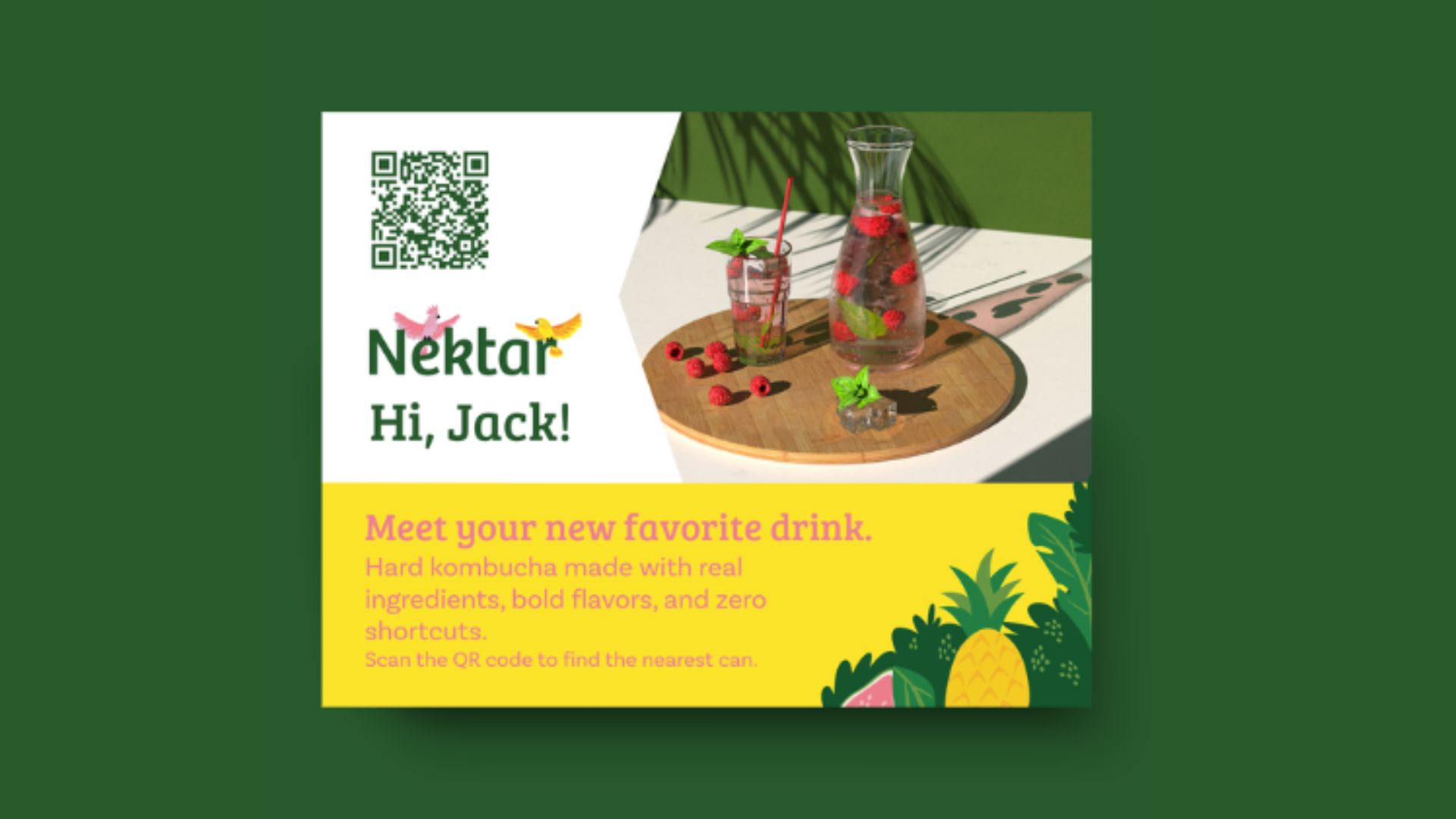
Products with embedded QR codes, NFC chips, or AR triggers are becoming a practical category — not a novelty. A physical product that drives a measurable post-receipt action — a loyalty program sign-up, a gift redemption, a personalized landing page — turns a one-time touchpoint into an ongoing one.
What makes this work in practice is having the physical and digital pieces managed in the same place. Lahlouh's online solutions include branded redemption sites, custom online storefronts, print-on-demand portals, an inventory and analytics dashboard, and integration capabilities — meaning the QR code on your branded item can lead directly to a platform we've built and manage on your behalf. The physical kit and the digital experience it drives don't have to be two separate vendor conversations.
For enterprise programs and premium client gifts especially, this is the direction worth building toward. A gift that generates a measurable post-receipt action changes the ROI conversation entirely — and that reporting is already built into how we run these programs.
Sustainability will start requiring documentation.
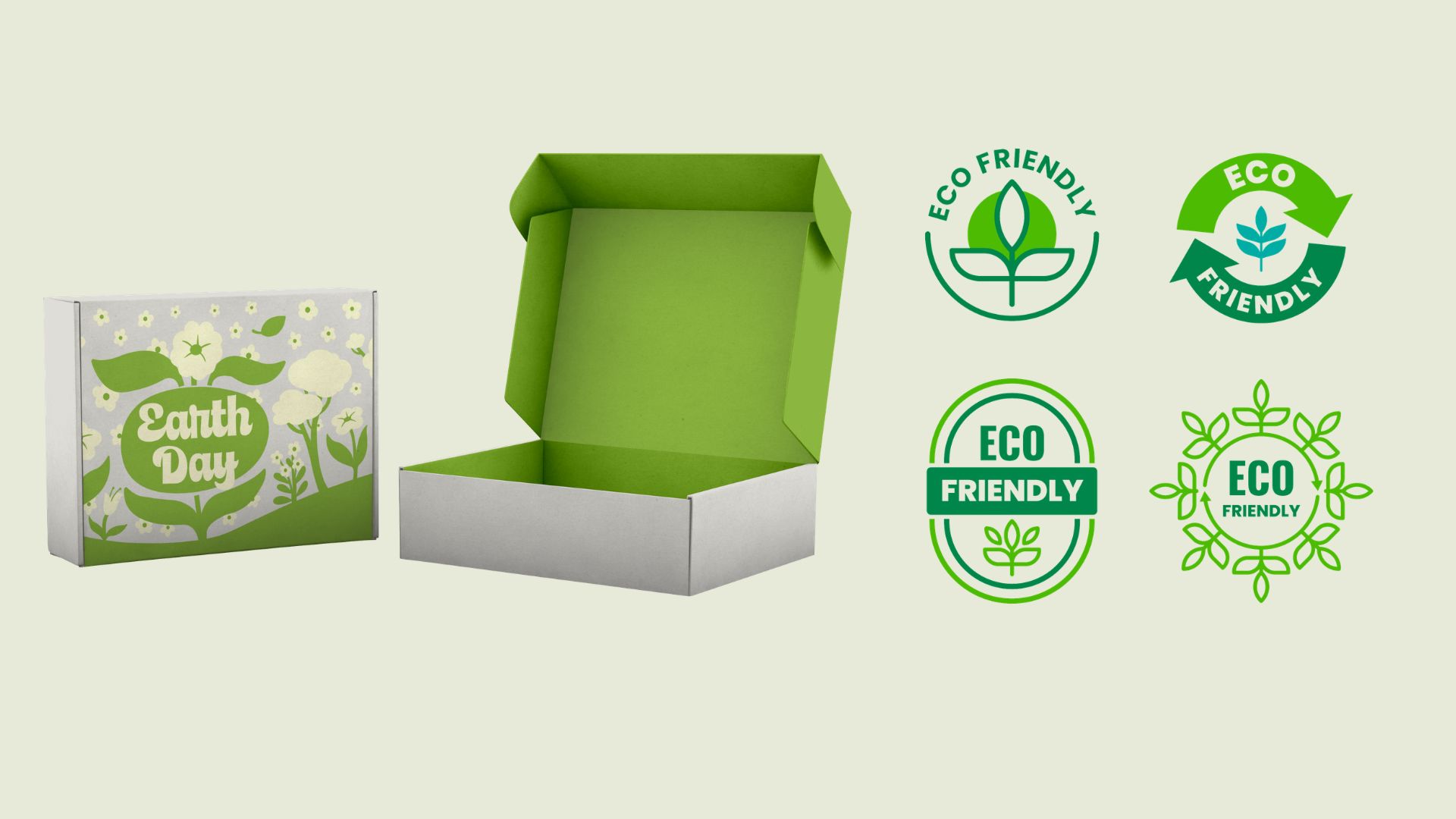
Right now, sustainability is largely self-reported. By 2027, PFAS restrictions, extended producer responsibility (EPR) packaging laws, and ESG documentation requirements from enterprise buyers are going to push that toward verified sourcing and third-party testing — not as a premium option, but as a baseline for certain categories and client types.
If your company is moving toward formal ESG commitments, or if you're buying for a regulated industry, the time to get your sourcing documentation in order is before you need it.
Branded merch will be expected to prove its ROI.
Branded merchandise has historically been evaluated on feel: did people like it? Did they use it? That's changing. As programs grow and compete for larger marketing budgets, the ability to demonstrate impact — impressions, retention lift, campaign attribution — is becoming a real expectation rather than a nice-to-have.
The consumer case is strong: 83% of people say receiving a branded product makes them feel appreciated, and 90% say it improves their perception of the brand. But translating that into the language of marketing ROI is work that's still largely undone. The programs that build in measurement now will have a much easier time defending their budget in 2028.
A Few Questions Worth Answering
Why go through Lahlouh instead of ordering directly from a supplier?
It's a fair question, and the straightforward answer is this: we’re not just a place to order a product. Lahlouh is a full-service partner across promotional products, branded merchandise, corporate gifting, employee programs, and event solutions — handling everything from sourcing and decoration to custom kitting, online ordering, inventory management, and nationwide fulfillment, all through one contact.
For a single item, that means your specs and brand standards are already on file the next time you need something. For a larger program — compliance-sensitive orders, multi-location sends, custom packaging — it means you're not managing multiple vendors through a project with a lot of moving pieces.
The relationship is built before you need it. That tends to matter most when a timeline gets tight or a program gets complicated.
What does Lahlouh actually handle — and what do I have to manage?
The short version: we handle the product. You handle your people.
That means product sourcing and vetting, decoration and sampling, compliance documentation, custom packaging, kitting, fulfillment, and direct-mail shipping are all on our side of the line. What stays on yours is the decision-making — who the program is for, what you want it to say, and what your budget allows. We come to that conversation with product recommendations, decoration options, and a realistic timeline.
For teams managing ongoing programs — onboarding kits, anniversary gifts, event merchandise — we also manage inventory, warehousing, and reorder triggers through our online solutions platform, so you're not rebuilding the program from scratch every cycle.
How do I know what's actually worth spending on?
The most reliable benchmark is utility. Products people use in their daily lives generate brand impressions every time they use them. Products that live in a drawer don't. ASI's research is consistent on this: 78% of consumers keep branded products specifically because they're useful — not because they were expensive, and not because they made a strong impression at the moment of gifting.
That doesn't mean you need to spend more. It means spending differently: fewer, better items selected around the recipient's actual day-to-day, over more items selected for price per unit. We can help you figure out what that looks like for your specific budget and audience.
Ready to talk through what your 2027 program should look like? Let's start the conversation.
Sources: PPAI Trends & Insights, June 2026; PPAI Research: New Year, New-ish Trends, January 2026; ASI 2026 Global Ad Impressions Study
.jpg)
.jpg)
.jpg)


